
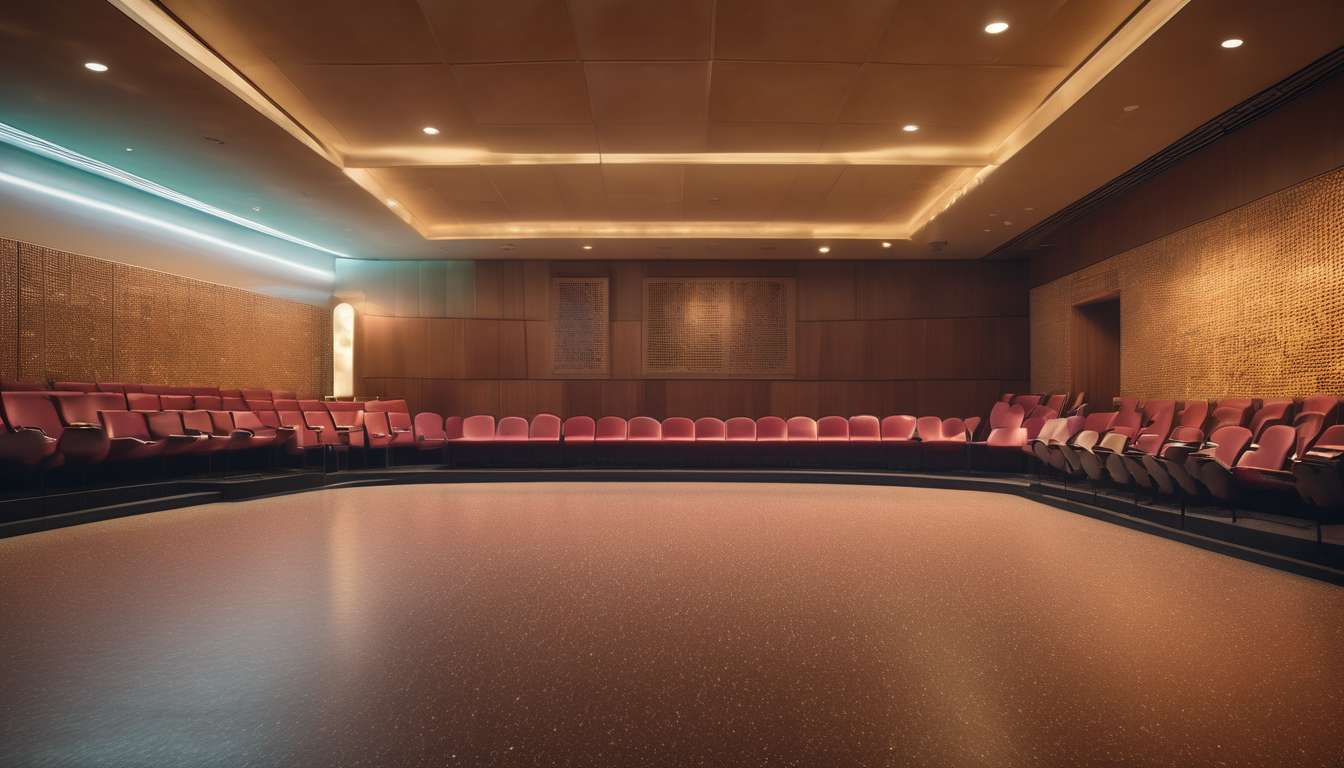
I remember the first time we watched a performance from the front-row aisle seats reserved for patrons using wheelchairs: the dancer caught our eye, then the music swelled, and suddenly the choreography seemed to speak directly to us.
That evening changed how we thought about live dance — not as something to be adapted after the fact, but as an experience that can be designed to include everyone from the outset.
We met staff who had learned basic sign language, ushers who could describe movement vividly for blind attendees, and fellow audience members who felt more welcome because lighting and seating had been adjusted.
That blend of practical measures and intentional attitudes transformed a single show into a communal celebration.
As we explore how accessibility measures broaden participation at live dance events, we’ll share how small, thoughtful changes:
- Expand audiences by removing physical, sensory, and communication barriers.
- Enrich artistic exchange by creating opportunities for diverse perspectives to engage with the work.
- Strengthen the social fabric of performance spaces by fostering belonging and mutual respect.
Making venues physically accessible
We ensure physical accessibility throughout venues.
- Step-free routes, ramps, and level surfaces from transit drop-off to performance spaces.
- Widened doorways and accessible entry points.
- Clear signage, simple maps, and well-lit pathways.
- Accessible seating and viewing areas plus fully equipped restrooms.
We prioritize seating coherence so guests aren’t segregated.
- Accessible seating distributed across price tiers and sightlines so people with mobility needs can sit with friends.
- Multiple placement options to accommodate different sightline and social preferences.
We provide sensory-friendly options and calm spaces.
- Designated quiet rooms/calm spaces with instructions for use.
- Sensory-friendly considerations incorporated into event design and wayfinding.
We offer on-request communication and sensory supports.
- Audio description and captioning available on request.
- Straightforward booking process for requesting supports.
We train staff to assist respectfully and effectively.
- Partnerships with staff training programs so ushers and front-of-house teams know how to help.
- Clear arrival guides published online to help attendees plan their visit confidently.
We continuously review and improve accessibility with disabled-led input.
- Regular facility reviews with disability-led advisors.
- Ongoing barrier removal, impact measurement, and updates to ensure venues genuinely invite everyone to participate.
Sensory-friendly performance adjustments
We adapt lighting, sound, and staging so performances minimize unexpected sensory triggers while preserving artistic intent.
We plan rehearsals with calibrated cues to create a calm environment:
- Calibrated lighting cues.
- Lower peak volumes.
- Controlled fog effects.
We offer clearly marked accessible seating near exits and quieter zones so attendees can choose comfort without missing the performance.
We make sensory-friendly performances regular options, not one-off exceptions, and we train staff to greet guests with warmth and patience.
We include audio description for patrons who benefit from enhanced verbal context, and we coordinate its timing to avoid competing with key musical moments.
We consult with audience members and disability advocates when tweaking sensory elements to ensure changes honor artists’ visions and audience needs.
We provide advance information — content notes and sensory guides — so people can decide what works for them.
By embedding these adjustments into our programming, we create performances where everyone can feel welcome, stay engaged, and participate fully.
Clear communication and signage
We provide clear, consistent signage and communications so patrons can navigate venues, find services, and get timely information with confidence.
We use plain language, large high-contrast type, and universal symbols so everyone feels welcome and included from arrival to exit.
We label routes to key locations so visitors know where to go without asking:
- Accessible seating
- Quiet rooms
- Restrooms
- Staff help points
We publish maps and FAQs both online and at the door.
We highlight sensory information and accommodations so patrons can plan their visit:
- Sensory-friendly measures
- Areas with reduced lighting or sound
We train ushers to support wayfinding and reference signage.
- Offer guided wayfinding for anyone who needs it
- Reference signage to reduce confusion
We provide printed and digital schedules with clear timing and change notices.
- Explain how to request supports (e.g., audio description, assistive listening) ahead of the event
We verify signage placement and wording through accessibility-centred review and feedback.
- Check placement from perspectives of diverse mobility and visual needs
- Update wording based on visitor feedback
- Ensure messages are welcoming, specific, and actionable so every participant can join performances with ease and dignity
Captioning and audio description
Accessibility services we provide
We provide real-time captioning and live audio description so people who are deaf, hard of hearing, blind, or vision-impaired can fully experience performances alongside other patrons.
Caption delivery options
- We make caption displays available on-screen and via mobile apps.
- We offer portable receivers for discrete text at accessible seating locations.
Audio description approach
We employ audio description narrators who deliver concise, evocative detail during pauses, making choreography, expressions, and scene changes vivid for listeners without interrupting the flow.
Sensory-friendly partnerships
We partner with patrons to create sensory-friendly performances by:
- Adjusting lighting and sound when requested.
- Offering pre-show orientation sessions that explain caption and audio description options.
Ticketing and seating logistics
- We publish clear instructions on how to request services when buying tickets.
- We reserve accessible seating blocks so companions can sit together.
Continuous improvement
We collect feedback after events and iterate quickly, because belonging grows when people see their needs anticipated and met.
Our mission
By centering captioning and audio description alongside inclusive logistics, we open dance to a wider, more connected audience.
Staff training in accessibility
We train all front‑of‑house and production staff on clear, actionable accessibility practices so they can confidently support patrons who use captioning, audio description, or other services.
We model respectful communication and teach how to offer assistance without assuming needs.
We practice describing spaces and routes to accessible seating so everyone arrives calmly and with dignity.
Our sessions include role‑plays for sensory‑friendly adjustments:
- Dimming lights gradually
- Reducing unexpected loud cues
- Signaling transitions
We provide protocols for managing medical or mobility needs.
We ensure technicians know how to cue audio description smoothly and check equipment quickly when a patron reports an issue.
We cover privacy, consent for touch assistance, and how to record and relay accessibility requests between shifts.
We gather staff feedback and lived‑experience input to refine training, and we run periodic refreshers so skills stay current.
By investing in practical, empathetic training, we foster a welcoming environment where all participants feel seen, supported, and able to join the shared experience.
Inclusive ticketing and seating policies
We make ticketing and seating policies easy to navigate and fair so patrons with diverse mobility, sensory, and support needs can plan and attend without barriers.
We reserve accessible seating in multiple price tiers and map those locations clearly online and at the box office so companions and personal assistants can sit together.
We offer easy-to-use filters during purchase for mobility, sensory-friendly performances, and audio description so patrons can select accommodations without repeating information.
We keep seating holds, refunds, and transfer policies transparent and consistent, and we waive extra fees for required supports.
We provide tactile and large-print seating charts and clear arrival instructions, and we train staff to honor pre-arranged needs on arrival.
We limit seating restrictions that isolate patrons with disabilities, preferring integrated placements that foster connection.
We solicit feedback after events and adjust seating inventories to reflect real-world use.
By centering dignity and choice in ticketing, we make live dance welcoming and reliable for everyone who wants to belong.
Community outreach and partnerships
We build partnerships with local disability-led organizations, schools, and service providers.
Why: To co-create outreach programs, share resources, and bring more people to our performances.
How we start: We listen first — we ask what people need to feel welcome, then we act.
Joint activities:
- We host community preview events.
- We co-run workshops.
- We train volunteers to assist with accessible seating and wayfinding so everyone arrives and stays comfortably.
Sensory accommodations:
We coordinate with sensory-friendly program leaders to adapt lighting, sound, and entry routines for guests who benefit from calmer environments.
Accessible communications:
- We collaborate on outreach materials translated into multiple formats.
- We promote materials through trusted community channels to strengthen trust and boost attendance.
Ticketing and in-venue supports:
- We provide ticketing supports.
- We offer companion seating options.
- We share information about audio description in advance so patrons can plan with confidence.
Capacity building and accountability:
- We share evaluation data and funding opportunities to grow capacity across partners.
- We keep channels open for feedback.
- We celebrate successes publicly.
- We commit to long-term relationships that center belonging and sustained access for all community members.
Designing performances with access in mind
We design performances from the start to remove barriers.
We ensure every element — choreography, lighting, sound, and audience flow — supports participation for people with diverse access needs.
Choreography and seating.
- We plan choreography that allows clear sightlines and flexible seating arrangements.
- We reserve accessible seating close to entrances and exits so everyone can enter, exit, and move without stress.
Lighting and sensory needs.
- We set lighting cues that avoid sudden strobe effects and create a sensory-friendly environment.
- We offer quiet spaces and scheduled breaks for those who need them.
Sound and audio description.
- We write sound designs with clarity and balance.
- We provide audio description services for patrons who are blind or have low vision, ensuring poetic intent and spatial relationships are conveyed.
Community consultation and staff training.
- We consult with community members during rehearsals and test routes for wheelchair users.
- We train staff in welcoming communication.
Information and transparency.
- We publish clear access guides online and at venues so guests know what to expect.
By embedding access into every decision, we make performances where everyone feels seen, safe, and truly welcome.
How do accessibility measures for live dance events affect ticket pricing and the venue’s budget planning?
How accessibility measures for live dance events affect ticket pricing and the venue’s budget planning
Accessibility upgrades increase upfront and ongoing costs.
Providing ramps, captioning, hearing loops, and staff training requires capital outlay and recurring expenses (maintenance, replacement, and personnel time). These costs must be estimated and built into the venue’s operating budget so accessibility remains reliable over time.
Estimate costs by item.
- Ramps and physical modifications: one‑time construction and occasional maintenance.
- Captioning and real‑time transcription: per‑event or contract fees, plus equipment costs.
- Hearing loops / assistive listening systems: equipment purchase or rental and periodic testing.
- Staff training: initial training sessions and refresher courses; possible certification fees.
Adjust budgets and plan for maintenance.
- Calculate both one‑time capital expenses and recurring operational costs.
- Include a maintenance line in the annual budget for repairs, testing, and software updates.
- Allocate contingency funds for unexpected accessibility needs or upgrades.
Balance inclusivity and ticket pricing with creative revenue strategies.
- Sliding‑scale pricing: allow patrons to choose what they can pay while preserving revenue from full‑price tickets.
- Subsidized tickets / companion seats: set aside a portion of inventory for lower‑cost or free tickets funded from other sources.
- Tiered seating and add‑ons: offer premium experiences to subsidize accessibility programs.
Seek external funding and partnerships.
- Grants: apply to arts councils, disability inclusion funds, and local government programs.
- Sponsorships and partnerships: partner with businesses, foundations, or disability organizations to underwrite specific accessibility features.
- In‑kind donations: solicit donated equipment, pro bono services, or volunteer training.
Communicate transparently with patrons and stakeholders.
- Publish accessibility measures and any related fees or ticket options on your website and at point of sale.
- Explain how funds are used (e.g., “portions of ticket sales support ramps and captioning”) to build trust and goodwill.
- Provide clear contact channels for accessibility requests and feedback.
Aim for sustainability and inclusion without unexpected financial strain.
- Model multiple scenarios (best case/worst case attendance) to see how accessibility costs affect per‑ticket pricing.
- Use a mix of internal budgeting, targeted fundraising, and flexible pricing to keep events welcoming while maintaining financial health.
What legal requirements and standards (local, national, or international) should organizers consider when implementing accessibility changes for performances?
We should review applicable laws and standards before we change anything.
Follow local building codes and national disability acts.
- Examples: ADA in the U.S., other country-specific accessibility laws.
Comply with anti-discrimination statutes and accessibility standards for physical facilities.
- Seating, restrooms, ramps, signage, and assistive technology should meet relevant standards.
Consider international guidelines for both physical and digital accessibility.
- Examples: WCAG for online content, UN CRPD principles.
Consult stakeholders to ensure compliance and inclusivity.
- Local authorities
- Disability advocates
- Legal counsel
Goal: ensure legal compliance and foster an inclusive experience for everyone.
How can independent or small community dance companies with limited resources prioritize which accessibility improvements to implement first?
We’ll start by asking who’s already coming and who’s missing.
We’ll prioritize fixes that remove the biggest barriers for most people.
We’ll consult our audience and disability advocates.
We’ll choose low-cost, high-impact changes such as:
- clear signage
- captioning
- portable ramps
- accessible seating
We’ll plan phased investments.
We’ll seek partnerships, volunteer skills, and grants.
We’ll track outcomes and iterate so each step makes our performances more welcoming and sustainable.
Conclusion
You’ve seen how thoughtful accessibility measures—like physical access, sensory-friendly adjustments, clear signage, captioning and audio description, trained staff, inclusive ticketing, community partnerships, and accessible design—expand who can experience live dance.
By prioritizing practical changes and ongoing collaboration with disability communities, you’ll not only remove barriers but enrich artistic participation, audience diversity, and cultural life.
Keep listening, adapting, and investing so every performance genuinely welcomes everyone.