
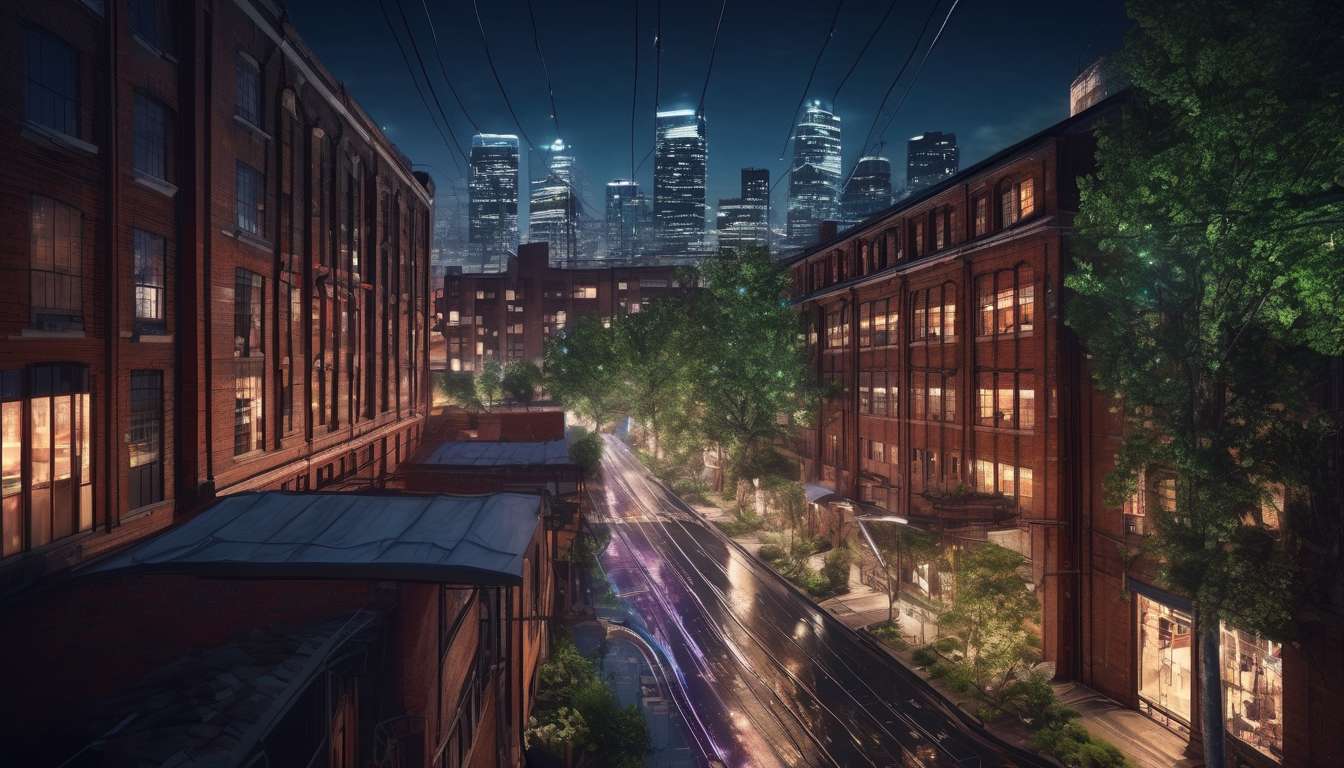
Urban redevelopment has increased late-night foot traffic by 38% in areas we once avoided, and that shift is reshaping how we experience the city after dark.
We watch familiar blocks shed faded signs and boarded storefronts for mixed-use developments, illuminated plazas, and curated food halls, and we feel both excitement and unease.
We remember the nights when small bars and independent venues were the beating heart of nightlife, yet we also appreciate safer streets, better transit, and economic vitality.
As developers, patrons, city planners, and longtime residents, we confront competing priorities: preserving cultural authenticity while welcoming investment that can lift entire neighborhoods.
Our nightlife districts are becoming laboratories where urban design, policy, and commerce intersect, and the outcomes will redefine social patterns, local economies, and community identity.
In this article, we explore how redevelopment is changing the outlook for nightlife districts, what gets gained and lost, and how we might steer change toward inclusive, vibrant nights.
Nightlife’s New Footprint
We’re tracing how nightlife’s new footprint reshapes streets, economies, and social rhythms after dark.
Urban revitalization reconnects neighbors, workers, and regulars to place — it doesn’t just patch façades but rebuilds local ties and everyday interactions.
The nightlife economy becomes a shared resource:
- Jobs that sustain local households and careers.
- Creative labs where artists and entrepreneurs experiment.
- Meeting spots that maintain neighborhood social life.
We’re intentional about balancing growth with cultural preservation: protecting stories, traditions, and the venues that hold collective memory.
Streetscapes are designed to invite lingering by combining:
- Thoughtful lighting that feels safe and warm.
- Transit links that improve access after dark.
- Mixed uses (retail, performance, housing) that create familiar, active edges.
Community and artist voices guide change so alterations amplify identity rather than erase it.
We measure both economic and social outcomes:
- Economic indicators (jobs, revenues, business survival).
- Social indicators (who feels welcome, who keeps returning, whose art remains visible).
When redevelopment honors roots while opening doors, the after-dark city becomes more inclusive, resilient, and alive — a place where people know they helped shape the night and can find a place within it.
Redevelopment Drivers
We’re driven by a mix of market forces, policy choices, and community priorities that shape how and why nighttime districts transform.
Urban revitalization projects can bring jobs, better lighting, and safer streets, but they can also shift who belongs in these places. We want development that strengthens the nightlife economy while keeping room for grassroots creativity and everyday regulars.
We advocate for policies that balance investment with protections.
- Rent controls and tenant protections to keep residents and small businesses in place.
- Cultural districts and zoning that recognize and preserve nightlife uses.
- Incentives and subsidies for legacy venues and small operators to prevent displacement.
We value inclusive engagement processes.
- Meaningful participation by artists, bar and venue owners, residents, and workers.
- Co-design approaches so belonging grows from shared decision-making.
- Ongoing feedback loops (not one-off meetings) to adapt plans as needs change.
We combine quantitative monitoring with qualitative storytelling.
- We track foot traffic, licensing, crowding, and economic indicators.
- We center stories of memory, craft, and lived experience to guide decisions.
- Data informs strategy, while narratives protect cultural meaning and continuity.
By aligning economic goals with cultural preservation, we aim to steward nightscapes that feel vibrant, inclusive, and authentically ours rather than simply transformed by profit-driven change.
Changing Venue Types
We’re seeing venue types shift—from dive bars and DIY spaces to hybrid cafés, music halls, and experience-driven concepts—and those changes reshape who feels welcome and what kinds of nights are possible.
We notice venues blending daytime community uses with evening programming so neighbors, artists, and newcomers can share space.
As urban revitalization unfolds, operators aim to sustain a viable nightlife economy while signaling openness to different tastes and identities.
We’re intentional about preserving local character: adaptive reuse can highlight cultural preservation by keeping historic facades, centering local performers, and honoring traditions in programming.
At the same time, we recognize newer formats—popup arts markets, all-ages music halls, and food-focused social lounges—create accessible entry points for people who once felt excluded.
By choosing inclusive curatorial practices, offering sliding scale tickets, and fostering collaborative governance between owners and residents, we can make transformed venues feel like ours rather than replacements, supporting both economic resilience and a shared sense of belonging.
Safety and Mobility
Safe, accessible routes and reliable late-night transit
We prioritize safe, accessible routes and reliable late-night transit so people can move between venues, homes, and services without fear or unnecessary delay.
Design elements for accessible public space
We design well-lit sidewalks, clear signage, and continuous pedestrian crossings that invite everyone to participate in the nightlife economy.
Coordinated transit service
We coordinate with transit agencies to extend service hours and add frequent, predictable late-night options so patrons and workers don’t feel stranded.
Shared responsibility for stewardship
We create shared responsibility: venue operators, residents, and city services work together on
- hospitality training,
- visible stewardship, and
- respectful crowd managementthat keeps streets calm and welcoming.
Cultural preservation and inclusive wayfinding
We protect cultural preservation by routing mobility improvements around heritage sites and ensuring wayfinding reflects community stories, not just corporate branding.
Measures of success
We measure success by
- reduced incidents,
- increased late-night ridership, and
- more people comfortably moving between places at all hours.
Overall outcome
In doing so, we reinforce trust, belonging, and a nightlife that’s vibrant, safe, and accessible for everyone.
Economic Spillovers
Many businesses and neighborhoods benefit when evening activity creates spillover spending, jobs, and year-round demand that extend beyond individual venues.
Coordinated investment in lighting, transit, and public spaces amplifies the nightlife economy.
- Restaurants, galleries, and retail pick up foot traffic from late-night events, boosting revenue across blocks.
- Improved lighting and public spaces increase safety and encourage longer stays.
Align zoning and small-business support with urban revitalization goals to shift from seasonal peaks to sustained activity.
- Zoning that allows mixed uses and flexible hours helps maintain steady demand.
- Small-business grants, low-cost loans, and technical assistance support local entrepreneurs and apprentices.
Prioritize inclusive hiring and local partnerships so gains circulate within the community.
- Employment programs and apprenticeships for residents create career pathways.
- Partnerships with community organizations ensure benefits reach diverse groups, not just absentee owners.
Use measured incentives to stabilize storefronts while respecting cultural preservation as a shared value.
- Offer modest tax relief or rent subsidies tied to living-wage commitments.
- Provide cultural grants for preservation and programming that reflects neighborhood identity.
Monitor metrics and adjust policy based on outcomes.
- Track job creation, vacancy rates, and evening transit ridership.
- Use data to refine incentives, transit schedules, and public-space investments.
When planning is collaborative, spillovers strengthen neighborhood identity and broaden opportunity.
- Nightlife becomes a sustainable engine for shared prosperity rather than a short-lived boom.
Cultural Preservation Challenges
We must balance new investments with protections that keep long-standing cultural venues, traditions, and residents from being displaced.
Urban revitalization brings money and attention, yet it can also push out the DJs, poets, family-run bars, and community organizers who give our nightlife districts soul.
We want a nightlife economy that thrives financially while honoring the people and practices that built it.
That means recognizing informal networks, multilingual signs, and late-night rituals as assets, not obstacles.
We can’t let rising rents and one-size-fits redevelopment plans erase stories that help people feel they belong.
We support targeted measures that sustain cultural preservation alongside growth:
- Affordable tenancy — protections and subsidies that keep legacy venues open.
- Cultural contracts — legal agreements that preserve programming, access, or identity.
- Support for legacy businesses — technical assistance, grants, and rent relief to maintain continuity.
We listen to long-time stakeholders and new participants equally, centering shared histories in planning conversations.
By insisting on inclusive approaches, we protect diverse nighttime cultures so everyone can continue to gather, create, and feel at home in redeveloped districts.
Policy and Planning Tools
We’ll deploy a mix of zoning reforms, targeted incentives, and community-led planning tools to protect cultural assets while guiding investment.
We’ll revise zoning to allow flexible uses, creative incubators, and late-night activity corridors so the nightlife economy can thrive alongside housing and retail.
We’ll pair tax abatements and small-grant programs with performance metrics that prioritize cultural preservation and equitable access to affordable spaces.
We’ll set noise and operating guidelines that balance residents’ needs and venues’ viability, backed by expedited permitting for adaptive reuse projects.
We’ll establish oversight committees with rotating local representation to review impacts, track displacement risks, and recommend timely adjustments to policy.
We’ll promote placemaking investments—lighting, transit links, safe streets—that welcome diverse participants and signal shared stewardship.
We’ll monitor outcomes with transparent data dashboards and sunset provisions for incentives, ensuring policies adapt as neighborhoods evolve.
By aligning regulatory clarity, fiscal tools, and participatory review, we’ll support urban revitalization that sustains a resilient, inclusive nightlife economy and honors cultural preservation.
Community-Led Solutions
We’ll empower neighborhood groups, artists, and small businesses to lead planning, manage shared spaces, and shape solutions that keep nightlife accessible and locally rooted.
Create neighborhood councils and artist-led cooperatives.
- These bodies will decide where late-hours uses fit.
- They will negotiate shared event calendars.
- They will steward noise-mitigation measures so residents and venues coexist.
Fund microgrants and low-cost licenses to stabilize the nightlife economy.
- Prioritize cultural preservation of music venues, street art, and longtime gathering spots.
- Provide small-business support to cover operating costs and license fees.
Host regular listening sessions that center marginalized voices.
- Use participatory budgeting for lighting, safety, and transit improvements.
- Map sites for pop-up events that test ideas without heavy investment.
Set clear metrics and adjust strategies collaboratively.
- Jobs retained.
- Affordable rent units preserved.
- Complaints reduced.
By sharing governance, revenue streams, and responsibility, we’ll ensure urban revitalization lifts people who live and work here, keeps nights vibrant, and builds belonging across changing neighborhoods.
How will changes to nightlife districts affect residential property values in surrounding neighborhoods?
Question: How will changes to nightlife districts affect nearby home values?
Summary: Effects are mixed: improvements (safety, amenities, foot traffic) generally raise demand and prices, while negative externalities (noise, congestion, shifting demographics) can deter buyers and lower values.
Key factors to weigh
-
Zoning and land-use policy.
- Zoning that balances entertainment with residential buffers (e.g., mixed-use, height limits, noise setbacks) tends to protect or enhance nearby home values.
- Poorly planned rezoning that concentrates late-night uses adjacent to housing can depress values.
-
Public and private investment.
- Investments in safety (lighting, policing), infrastructure (sidewalks, transit), and streetscape amenities increase walkability and desirability — typically boosting prices.
- Overdevelopment that prioritizes commercial density over livability can create congestion and reduce nearby demand.
-
Noise, hours, and management of nuisances.
- Effective noise mitigation, managed operating hours, and enforcement reduce negative impacts and support property values.
- Persistent noise, late-night disturbances, and unmanaged crowds tend to lower appeal for homebuyers.
-
Foot traffic and economic vitality.
- Increased foot traffic can make neighborhoods more vibrant, supporting local retail and raising residential demand.
- If foot traffic leads to overcrowding, litter, or safety concerns, the net effect can be negative.
-
Demographic and market effects.
- Nightlife-driven revitalization can attract new residents and investors, pushing prices up (gentrification effect).
- Shifts in neighborhood character that displace long-term residents or create perceived incompatibility with family housing may reduce demand among certain buyer segments.
-
Community engagement and governance.
- When residents are included in planning and nuisance concerns are addressed, outcomes generally favor rising property values.
- Neglecting community input or failing to manage externalities increases the risk of value decline.
Practical implications / recommendations
- Conduct local impact assessments that model noise, traffic, and demand changes before approving major nightlife expansions.
- Require mitigation (sound insulation, operational curfews, crowd management plans) as conditions for permits.
- Invest in public realm improvements (lighting, transit, sidewalks) to capture upside for residents.
- Establish ongoing community–business forums to monitor impacts and adapt policies.
Bottom line: Changes to nightlife districts can both increase and decrease nearby home values. If planning, investment, and community engagement are prioritized and nuisances are managed, property values are more likely to climb. Conversely, neglect, overconcentration, or unmanaged externalities tend to depress values.
What specific funding mechanisms can small nightlife businesses access to adapt to redevelopment (grants, tax credits, low-interest loans)?
Small-business grants: Local arts, cultural, and economic development grants can fund adaptive programming, equipment, or façade/stage improvements.
Tax credits: Historic-preservation credits, energy-efficiency incentives, and rehabilitation tax credits can reduce capital costs for renovating older buildings.
Low-interest loans: SBA microloans and financing from community development financial institutions (CDFIs) provide affordable debt for smaller projects and working capital.
Forgivable/relief funding: Where available, seek forgivable pandemic-style relief or emergency stabilization programs that don’t require full repayment.
Crowdfunding: Community-driven campaigns (reward- or equity-based) can raise operating capital and signal local demand to lenders or partners.
Neighborhood benefit agreements (NBAs): Negotiate NBAs with developers to secure funding, space, or operating subsidies as part of redevelopment approvals.
Business Improvement District (BID) and local supports: Work with local BIDs, merchant associations, and city small-business programs for grants, fee waivers, marketing support, and pooled capital.
How to prioritize and combine sources:
- Assess needs (capital vs. operating vs. technical assistance).
- Pursue non-dilutive sources first (grants, tax credits, forgivable relief).
- Layer low-interest loans and CDFI capital for financing gaps.
- Use crowdfunding and NBAs to demonstrate community support and attract other funders.
Next steps:
- Map available local grants, tax credits, and CDFIs in your city.
- Prepare project budgets, preservation/energy plans, and community benefit narratives.
- Engage a small-business advisor or nonprofit intermediary to help stack funding and apply for NBAs/BID support.
How do redevelopment projects typically address noise complaints and conflict between new residents and existing nightlife venues?
We recognize this tension and prioritize mediation, clearer zoning, and soundproofing support to keep communities thriving.
We push for designated entertainment zones, negotiated noise buffers, and “agent of change” policies that require newcomers to accept existing noise levels or fund mitigations.
We work with councils to offer grants for acoustic upgrades, set enforceable quiet hours, and maintain ongoing dialogue among residents, venue owners, and regulators so everyone feels heard and protected.
Conclusion
You’re seeing nightlife reshaped by redevelopment, and it’s forcing choices about what city nights will look like.
As mixed-use projects, safety upgrades, and transit improvements change where people go, you’ll need to balance growth with the unique character that drew crowds in the first place.
Use planning tools, policy levers, and community-led solutions to protect cultural assets while managing economic spillovers — otherwise, vibrant night districts could be smoothed into indistinct, less interesting places.
Planning tools and policy levers to consider:
-
Zoning and land-use controls
- Use targeted zoning (e.g., night-economy zones, cultural overlays) to preserve venue types and compatible uses.
- Employ density and form controls to maintain streetscapes that support nightlife activity.
-
Licensing and regulation
- Adjust licensing hours and permit structures to support diverse nighttime uses while managing noise and safety.
- Create streamlined permit processes for cultural venues and small operators.
-
Economic incentives
- Offer tax incentives, grants, or rent-support for venues that provide cultural value or serve as incubators for local talent.
- Use public-private partnerships to fund improvements that benefit night districts without displacing existing operators.
Safety, accessibility, and infrastructure actions:
-
Public safety and lighting
- Implement targeted safety measures (lighting, late-night transit stops, patrols) that increase real and perceived safety without sterilizing street life.
-
Transit and mobility
- Improve late-night transit frequency and micro-mobility options to expand access and reduce conflict between uses.
- Design curb and loading strategies to support delivery and service needs of nighttime businesses.
-
Streetscape and public space
- Invest in flexible public spaces, seating, and weather-protected areas that encourage lingering and spill-out while controlling overcrowding.
Community-led solutions and cultural protection:
-
Local stewardship
- Support business improvement districts, led-by-community trusts, and cultural stewards to manage and market night districts responsively.
-
Anti-displacement measures
- Implement tenant protections, affordability covenants, and cultural asset registers to prevent loss of key venues and creatives.
-
Engagement and co-design
- Involve venue operators, residents, and patrons in planning processes to ensure policies reflect lived nighttime realities.
Balance growth with character or risk homogenization:
-
Monitor and evaluate
- Track indicators such as venue diversity, footfall patterns, and cultural programming to spot early signs of harmful change.
-
Adaptive policymaking
- Use pilot programs and sunset clauses to test interventions and adjust based on outcomes and community feedback.
Bottom line: Use a combination of regulatory tools, investments, and community stewardship to protect the cultural heart of night districts while managing growth. Without deliberate action, redevelopment risks turning vibrant, distinctive nightlife into bland, generic urban evenings.