
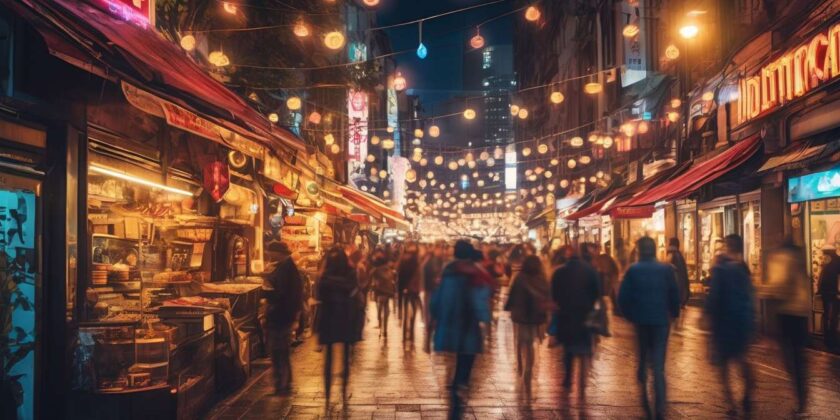
Keeping our weekend plans to a late-night stroll through a well-lit district, we once paused outside a bustling venue and noticed the rhythm of work behind the revelry: bartenders cleaning glasses, security staff coordinating shifts, nearby shopkeepers restocking for the morning.
That brief scene crystallized for us how regulated nightlife is more than entertainment; it is a complex engine of livelihoods, municipal revenue, and community vitality.
We have seen permit boards, safety protocols, and licensing frameworks transform chaotic after-dark activity into predictable economic activity that sustains full-time jobs, seasonal hires, and ancillary services from taxis to catering.
As we walk past queuing patrons and delivery drivers, we appreciate how sensible regulation balances public order and business opportunity, fostering long-term investment rather than ephemeral excitement.
In this article we explore how thoughtful rules and enforcement convert night-time culture into measurable economic benefits, create career pathways, and help cities thrive beyond daylight hours.
Economic Impact Overview
We’re examining how regulated nightlife shapes local economies by influencing employment, business revenues, public revenues, and neighborhood investment.
Nightlife as a shared asset
- When permitting, safety, and hours are coordinated, local venues stay open reliably.
- Communities feel included in vibrant evenings rather than excluded.
Regulated activity supports hospitality employment
- Creates stable shifts and clearer labor standards.
- Helps workers plan and feel respected.
Predictable operations help businesses
- Businesses can forecast revenues.
- Forecasting enables reinvestment in spaces that welcome neighbors rather than exclude them.
Regulated nightlife feeds municipal revenue
- Licensing fees and taxes on sales provide direct income.
- Predictable revenues allow budgeting for public services (lighting, policing, cultural programming) that benefit everyone.
Nightlife as civic fabric strengthens communities
- Reinforces social ties and encourages place-based spending that circulates locally.
- Balancing safety, fairness, and economic support helps neighborhoods thrive and gives residents a sense of ownership over evening life.
Job Creation Mechanisms
We’ll examine the specific channels through which regulated nightlife generates jobs, from direct hiring in venues to indirect roles in supply, maintenance, and local services.
Direct venue jobs translate into clearly defined positions, including:
- Bartenders
- Security staff
- DJs
- Coatroom attendants
- Management
These roles expand hospitality employment beyond daytime hours, creating flexible shifts that fit students, caregivers, and second-income earners who want to belong to a community.
There are significant ripple effects through the local economy:
- Food suppliers
- Linen services
- Cleaners
- Maintenance technicians
- Ride-share drivers
Training and certification programs strengthen career pathways by providing late-night safety and customer-service skills that we can share and support.
Local businesses cluster around lively districts, boosting both part-time and full-time opportunities and encouraging retention of talent.
Regulation helps employers plan staffing sustainably by fostering predictable operating hours and standards, aligning workforce development with the broader night economy while reinforcing our shared stake in safe, viable nightlife.
Revenue for Local Government
Several predictable income streams—from business licenses and late-night sales taxes to parking fees and event permits—help local governments fund services and reinvest in public safety and infrastructure.
As a community, we see how a well-managed night economy generates steady municipal revenue that supports street lighting, policing, and cleanliness, making evenings safer and more welcoming for everyone.
We count the contributions from hospitality employment too: payroll taxes, licensing fees, and employer contributions translate into predictable receipts that let us plan budgets with confidence.
By tracking revenues linked to late-night venues and events, we can target reinvestment where it matters most:
- Supporting transit
- Maintaining and activating public spaces
- Funding training programs that benefit local workers
We’re intentional about balancing growth with accountability, ensuring fees aren’t prohibitive for small operators while capturing fair value for shared services.
When municipal revenue reflects the true value of the night economy, we all gain a more vibrant, inclusive city that sustains jobs and strengthens our sense of belonging.
Supply Chain Benefits
Local suppliers and service providers gain when late-night venues buy locally.
- Many venues purchasing food, equipment, and maintenance services creates ripple effects across logistics, agriculture, and small manufacturing.
- When venues source locally, distributors, farmers, and makers receive steady orders, and repair and cleaning firms stay busy.
Steady demand supports employment directly and indirectly.
- Cooks, drivers, and technicians rely on predictable schedules.
- Hospitality employment is sustained both by venue hiring and the continued demand for supplier services.
We value relationships and shared rhythms, not just job counts.
- The bonds between buyers and suppliers create dependable community networks.
- These shared rhythms help form a resilient local ecosystem that benefits all participants.
Stronger supplier links improve municipal revenue stability.
- Increased, regular transactions lead to more stable tax receipts and targeted fees.
- Those funds support public services used by the broader community.
Regulatory planning can help suppliers scale responsibly.
- Encourage local procurement and fair contracts.
- Design rules that allow suppliers to grow without displacing others.
Together, these measures build a resilient supply chain and reinforce nightlife’s broader economic benefits.
- Sustains workers.
- Supports neighborhood cohesion.
- Reinforces the economic and social value of a well-managed night economy.
Small Business Growth
Nightlife drives predictable demand that helps small businesses grow.
We see small businesses thrive when late-night venues create steady demand, giving entrepreneurs predictable revenues that let them invest, hire, and innovate.
Businesses cluster around nightlife corridors and share resources.
We watch cafes, food trucks, record shops, and boutique stores cluster near nightlife corridors, sharing customers and resources.
Community support makes nights safer and more vibrant.
As a community, we rally around these businesses because they make our nights safer, more vibrant, and economically resilient.
The night economy extends beyond bars and clubs.
We know the night economy isn’t just about bars and clubs; it fuels complementary retail and service activity that widens opportunity.
Regulated nightlife broadens employment and customer exposure.
- By supporting regulated nightlife, we broaden hospitality employment across shifts and establishments.
- Neighbors can find work close to home and customers discover new local brands.
Fees and taxes from licensed venues fund public improvements.
We celebrate how fees and taxes tied to licensed venues boost municipal revenue, which we reinvest in lighting, street cleaning, and marketing that benefits everyone.
A collaborative ecosystem strengthens local identity and prosperity.
Together, we nurture an ecosystem where small businesses feel valued, collaborate, and grow—strengthening both our local identity and the shared prosperity that keeps our neighborhoods lively after dusk.
Workforce Development Paths
We’ll build clear workforce development paths that give residents practical training, career ladders, and transferable skills tied to the night-time industries.
We’ll partner with local colleges, training centers, and employers to create stackable certifications that move people from entry roles into supervisory and technical positions within the night economy.
We’ll design apprenticeships and paid internships so participants earn while they learn, reducing barriers for those who need immediate income.
We’ll prioritize outreach to underrepresented groups so everyone feels welcome in hospitality employment and related sectors.
We’ll monitor outcomes—placements, retention, and wage growth—and adjust curricula to match employer needs and municipal revenue goals.
We’ll support small employers with hiring incentives and shared training resources to keep costs down and standards high.
We’ll celebrate graduates and create peer networks so workers see long-term careers, not just temporary gigs.
By aligning training with local demand, we’ll strengthen livelihoods, deepen community ties, and sustain a night economy that benefits residents and public coffers.
Safety and Operational Standards
We will set clear safety and operational standards that keep patrons, workers, and neighbors safe while allowing venues to run efficiently and predictably.
Key requirements will include:
- Uniform training for staff on safety, inclusivity, and emergency response.
- Capacity limits and emergency procedures so staff and guests feel confident and included.
- Standardized door policies, lighting, noise mitigation, and crowd flow to protect hospitality employment and create reliable conditions for career growth.
We will coordinate with local health and emergency services to ensure inspections are supportive rather than punitive.
Coordination measures:
- Supportive inspections that treat operators as community partners.
- Clear licensing timelines and transparent compliance checklists to reduce uncertainty for small operators.
- Shared resources (templates, joint training sessions, and mediation channels) so venues can meet standards without reinventing the wheel.
The overall goal is a predictable environment where workers belong, businesses thrive, and residents trust that nightlife contributes positively to our shared urban life.
Long-Term Urban Resilience
We’ll design nightlife policies that strengthen long-term urban resilience by balancing economic vitality, public safety, and environmental sustainability.
We’ll build a night economy that supports diverse businesses and creates stable hospitality employment.
- Job quality and career pathways keep people rooted in our community.
- Support measures can include training programs, wage standards, and clear progression routes.
We’ll coordinate licensing, noise mitigation, and shared transport to reduce disruptions while keeping streets vibrant and safe.
- Licensing: streamlined, transparent processes that align hours and use with neighborhood needs.
- Noise mitigation: soundproofing grants, decibel limits, and complaint-response mechanisms.
- Shared transport: last-mile options and extended public transit to reduce congestion and unsafe travel.
We’ll track municipal revenue streams tied to nightlife and reinvest them in public infrastructure, lighting, and outreach so benefits are visible and felt by everyone.
- Revenue tracking enables targeted reinvestment.
- Visible investments: street lighting, public spaces, and community outreach programs.
We’ll create emergency plans that integrate venues, law enforcement, health services, and neighborhood groups so we’re prepared for shocks without sacrificing inclusion.
- Multi-stakeholder planning ensures coordinated responses.
- Inclusion measures ensure vulnerable populations and small venues are considered in contingency plans.
We’ll support green practices—energy-efficient venues, waste reduction, and quieter mobility options—to limit environmental impact and reduce long-term costs.
- Energy efficiency: incentives for retrofits and low-energy lighting.
- Waste reduction: diversion programs and reusable serviceware.
- Quieter mobility: electric shuttles, bike infrastructure, and pedestrian-first streets.
By aligning regulations, incentives, and community feedback, we’ll ensure nightlife contributes to resilient neighborhoods where residents and businesses alike belong, prosper, and adapt together.
How do regulated nightlife districts affect residential property values and long-term neighborhood demographics?
Nightlife districts influence housing and communities over time.
Property values can increase near well-managed nightlife areas, attracting buyers who want vibrancy and convenience.
Conversely, poorly regulated noise and late-night disturbances can deter families and depress prices.
Demographics often shift toward younger, more transient residents and service workers.
Thoughtful planning and community input can mitigate negative effects by helping retain long-term residents and fostering mixed-income, diverse neighborhoods that feel welcoming to everyone.
What environmental impacts (noise, light, waste, energy use) are associated with concentrated nightlife, and how are they mitigated?
Concise question: How does concentrated nightlife affect noise, light, waste, and energy use, and how are those harms managed?
Observed problems
- Noise: Frequent complaints about loud music, crowds, and late-night deliveries.
- Light: Bright spillover from venues and signage affecting nearby homes and streets.
- Waste: Overflowing bins and higher volumes of litter and commercial waste.
- Energy use: Heavy electricity demand from lighting, sound systems, HVAC, and extended operating hours.
Management and mitigation measures
-
Sound control.
- Soundproofing in venues (acoustic insulation, double doors).
- Curfews and limits on amplified music times.
- Enforcement through noise monitoring and fines.
-
Light control.
- Shielded lighting and downward-directed fixtures to reduce spillover.
- Signage regulations (brightness/time limits).
- Dark-sky practices where feasible.
-
Waste management.
- Recycling and composting programs tailored to high-volume food and beverage waste.
- Timed waste pickups and increased collection frequency during peak nights.
- Venue-level requirements for secure storage and excess-waste plans.
-
Energy reduction.
- Energy-efficient fixtures (LEDs, efficient HVAC systems).
- Operational measures (lighting curfews, dimming, more efficient sound equipment).
- Smarter transit options to reduce car use and idling (late-night buses, rideshare staging).
-
Policy monitoring and community input.
- Ongoing monitoring of noise, light, waste volumes, and energy use.
- Community engagement to adjust policies based on complaints and data.
- Adaptive enforcement combining incentives (grants, technical assistance) and penalties.
Overall: Concentrated nightlife increases noise, light pollution, waste, and energy demand, but a combination of technical fixes, operational rules, improved waste services, energy efficiency, transit alternatives, and participatory policymaking can substantially reduce those harms.
How do nightlife regulations influence informal or unlicensed nightlife activities and the potential for displacement into less safe settings?
Concern: Strict nightlife rules can push people toward informal, unlicensed gatherings that feel excluded from mainstream venues.
Risk: Those informal events often lack safety measures, licensing, and oversight, which raises risks such as:
- Overcrowding
- Poor crowd control
- Fire hazards
Advocacy: Promote inclusive regulation, community engagement, and accessible licensing pathways so everyone can enjoy nightlife safely without being forced into hidden, unsafe spaces.
Conclusion
Regulated nightlife strengthens the local economy by creating jobs, boosting municipal revenue, and supporting businesses across the supply chain.
It opens pathways for workforce development and helps small enterprises thrive.
Safety and operational standards protect residents and patrons.
By balancing growth with safeguards, regulated nightlife enhances long-term urban resilience, making your community more vibrant, inclusive, and economically stable without sacrificing public welfare.