
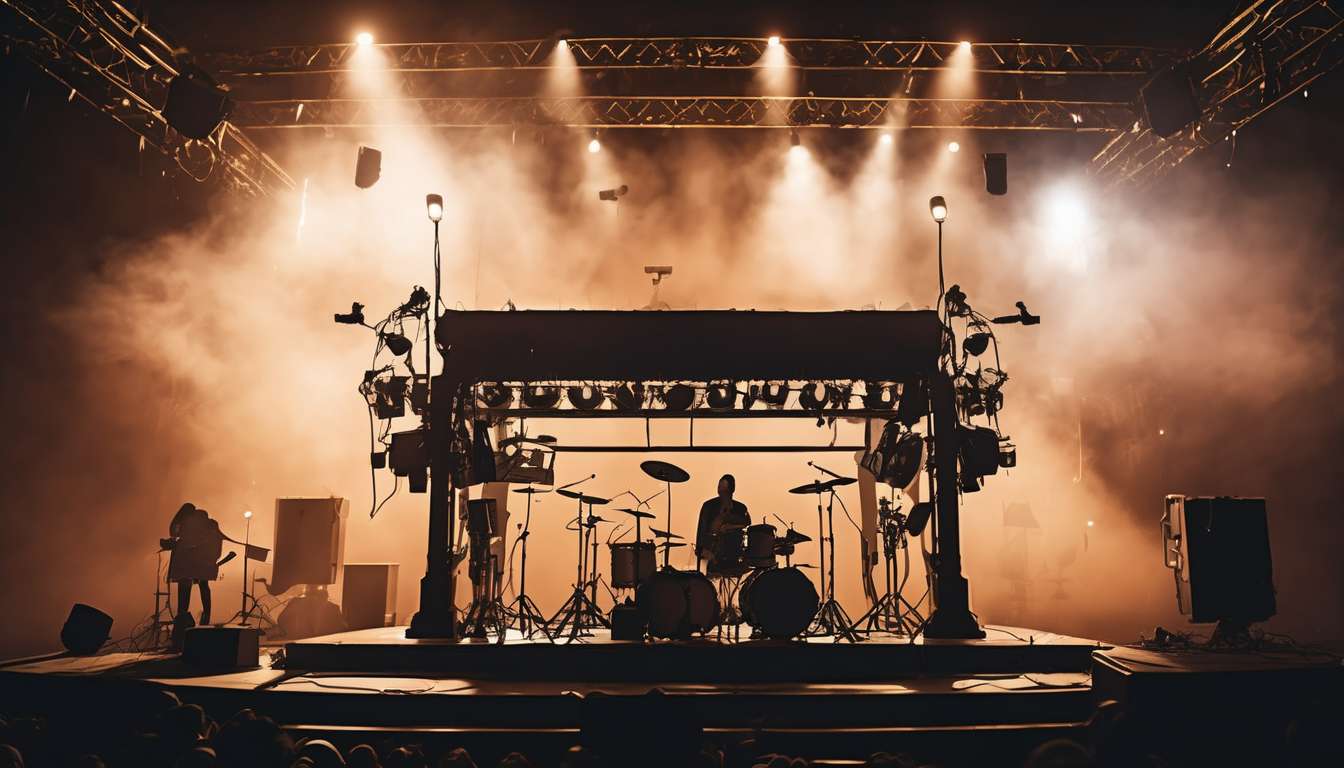
Vivid lights dim mid‑set as we stand backstage, scripts in hand and schedules fraying.
We realize this is the fifth show this season where voices from crew, artists, and venue staff went unheard until we organized.
We remember the nervous cluster of stagehands who first suggested a meeting.
We recall the technicians who quietly tracked incidents of unsafe load‑ins, and the performers who admitted they lacked a consistent channel to raise concerns.
That small conversation swelled into coordinated action.
- We held walk‑throughs to identify hazards and workflow bottlenecks.
- We pooled resources for legal advice.
- We created and shared templates for representation agreements.
As we navigated promoters, unions, and venue managers, we learned representation was more than contracts.
It reshaped how we designed schedules, handled emergencies, and valued labor.
This article follows our collective journey and a wider surge across the live entertainment sector.
More of us are choosing to move from isolated complaints to organized representation, redefining safety, pay, and professional respect along the way.
Scene: Organizing Sparks
We started by tracing how small groups of performers and technicians sparked collective action that grew into formal organizing efforts.
Colleagues met after shows, traded tips, and named shared grievances.
Those conversations turned into intentional steps toward unionization.
We welcomed others into these circles because belonging mattered.
People wanted to know they weren’t alone facing unstable schedules, underpaid work, or inconsistent protections.
Together we mapped priorities, clarified goals for collective bargaining, and practiced speaking with one voice.
- We organized petitions.
- We elected representatives.
- We documented conditions so our demands were concrete and credible.
We didn’t rush, but we kept momentum.
- We celebrated milestones.
- We supported members facing retaliation.
We insisted on respectful communication within our networks, which strengthened trust and made outreach more effective.
Our aim was never just formal recognition; it was creating a durable community.
That community could negotiate fair contracts, advocate for transparent policies, and ensure venue safety standards were central to agreements.
We moved from isolated complaints to coordinated power, and that shift changed how we imagine work in live entertainment.
Safety and Risk Reforms
We pushed for clear safety protocols and practical risk-reduction measures that kept performers and crews protected on every show.
We organized around shared concerns — from rigging checks to emergency exits — so everyone felt accountable and included.
Through unionization we built a common voice that pushed promoters and venue owners to adopt transparent incident reporting and standardized training.
We used collective bargaining to lock in specific, enforceable safety requirements:
- Certified riggers for all rigging work.
- Routine equipment inspections with documented checklists.
- On-site medical support for shows and load‑in/load‑out.
We insisted on operational practices that made safety actionable and reportable:
- Pre-show briefings for all departments.
- Accessible hazard logs kept up to date.
- Anonymous reporting channels so no one feared speaking up.
The result was measurable: reduced near-misses and predictable procedures every team could rely on.
By treating safety as a collective responsibility, we strengthened trust across crews, performers, and management.
We created spaces where concerns were heard, addressed, and prevented before they became crises — ensuring that working together truly meant looking out for one another.
Pay and Contract Changes
We want pay and contract changes that make compensation transparent, consistent, and tied to clear duties and hours.
Agreements should remove guesswork and ensure everyone who shows up is paid fairly for the work they do.
As we move toward greater unionization, we push for standardized pay scales, defined shift lengths, overtime rules, and clear call-out and cancellation policies that respect our time and livelihoods.
Contracts should include predictable benefits, pay equity measures, and mechanisms for resolving disputes quickly and respectfully.
A sense of belonging matters: when terms are clear, we trust the system and each other.
While we continue advocating for venue safety, our immediate focus is contractual clarity and dependable compensation so members feel secure every shift.
We recognize collective bargaining will shape many outcomes, so we prepare proposals rooted in fairness, practicality, and shared purpose to build sustainable careers throughout the live entertainment community.
Collective Bargaining Gains
We’ve secured clearer pay scales, defined shift rules, and prompt dispute-resolution processes in recent bargaining rounds, and we’ll keep pushing for more enforceable gains that protect workers’ time, health, and livelihoods.
Through coordinated collective bargaining we’ve turned individual frustrations into shared leverage, winning:
- enforceable rest periods,
- predictable scheduling,
- medical leave provisions that help everyone plan and recover.
As we negotiate, unionization has strengthened our voice at venue tables, ensuring management can’t ignore safety audits or staffing minimums.
We’re building agreements that embed venue safety standards — from equipment checks to crowd-control protocols — into contracts so compliance isn’t optional.
Those terms also create transparent enforcement paths and joint committees where workers can raise concerns without fear.
By bargaining together, we create mutual accountability:
- employers commit to concrete actions, and
- we gain remedies when they fall short.
That shared framework fosters belonging, protects livelihoods, and raises industry norms, proving that collective bargaining isn’t just a tactic — it’s how we secure durable, enforceable improvements for everyone who makes live events possible.
Independent Representation Models
We’re exploring independent representation models that let workers organize outside traditional unions to gain tailored advocacy, flexible membership, and quicker dispute resolution.
Examples of worker-led structures include:
- Worker-led councils
- Cooperative advocacy groups
- Third-party advisory bodies
These structures center shared experience and mutual support and do not replace unionization for those who prefer it. Instead, they create community-based pathways to:
- Negotiate standards
- Coordinate collective bargaining tactics when appropriate
- Lift up marginalized voices who’ve felt sidelined
Membership design emphasizes clarity and participation.
- Clear roles
- Transparent dues
- Rotating leadership
This ensures everyone feels they belong and contributes.
Venue safety is a core demand.
- Work with technicians, security, and performers to document hazards
- Propose practical fixes
Rapid-response teams handle incidents quickly.
- Mediate conflicts
- Present unified asks to managers
By staying adaptable, these models preserve workers’ autonomy while amplifying leverage, ensuring representation matches day-to-day realities and strengthens trust across the live entertainment community.
Venue and Promoter Responses
Many venues and promoters are adapting their approaches to address workers’ concerns while protecting show operations.
We’re listening and meeting colleagues where they are.
- Recognize that unionization conversations and requests for collective bargaining reflect a desire for fair treatment and consistent standards.
- Respond by clarifying role definitions, creating transparent grievance paths, and scheduling regular forums so staff feel heard and included.
We’re prioritizing venue safety without disrupting performances.
- Invest in clearer emergency protocols and upgraded gear maintenance schedules.
- Coordinate staffing models that reduce burnout.
When negotiations arise, we aim to balance operational needs with workers’ rights.
- Explore pilot agreements and joint safety committees that build trust.
- Approach discussions proactively rather than resisting change.
Our cooperative stance fosters belonging and shared responsibility.
This helps keep shows running smoothly while honoring workers’ voices and strengthening the long-term health of our venues and promoter communities.
Legal and Advisory Supports
We’ll connect venues and workers with clear legal guidance and practical advisory services so everyone understands rights, responsibilities, and options during organizing and negotiations.
We’ll offer accessible resources
- Plain-language explanations of unionization law.
- Checklists for lawful communications.
- Step-by-step guides for forming and certifying representation.
We’ll pair worker groups with experienced advisors who respect local contexts and foster trust, ensuring members feel included and heard.
We’ll support collective bargaining by supplying model agreements, negotiation training, and neutral mediators to keep talks productive and focused on shared goals like fair pay, scheduling, and venue safety standards.
We’ll help venues understand obligations and collaborate on compliant policies that protect staff and audiences alike.
We’ll provide rapid-response counsel during disputes and guidance on documentation, so workers and managers can move forward with clarity rather than uncertainty.
We’ll prioritize ongoing education, community clinics, and accessible legal aid to sustain durable, dignified representation across the live entertainment sector.
Future Paths for Rights
We’ll explore concrete pathways to expand workers’ rights, blend legal reforms with industry-led standards, and map practical steps venues and crews can take together.
We see unionization as a foundation.
- Form local chapters and affiliate with larger unions to gain shared resources, legal guidance, and a louder voice.
- Use union structures to coordinate actions, share best practices across venues, and centralize bargaining power.
Collective bargaining as a practical tool.
- Negotiate agreements that lock in fair wages, predictable scheduling, and clear health protections.
- Ensure contracts recognize and respect the varied roles on stage and behind the scenes.
Promote model contracts and policy change.
- Draft model contracts for voluntary venue adoption to raise baseline standards across the industry.
- Advocate for policy changes that remove legal and administrative barriers to organizing.
Prioritize venue safety through joint, ongoing measures.
- Establish joint safety committees with worker and management representation.
- Implement regular, role-specific safety training programs.
- Create anonymous reporting channels so everyone can raise concerns without fear of retaliation.
Invest in organizing capacity and knowledge transfer.
- Cultivate mentorship between experienced organizers and newer crew members.
- Share templates for bargaining proposals, safety policies, and contract language.
- Provide legal and administrative support resources through union partnerships.
Measure progress with transparency and accountability.
- Define clear, public metrics (wage benchmarks, scheduling compliance, incident rates, grievance resolutions).
- Regularly publish progress reports to keep venues, crews, and the public informed.
Together, build durable structures where dignity, safety, and shared decision‑making are standard — not exceptional — in live entertainment.
How have fans and audience members reacted to increased worker representation and strikes in the live entertainment sector?
We’ve seen mixed reactions from fans and audiences to increased worker representation and strikes.
Many of us have shown solidarity—joining picket lines, sharing support online, and accepting delays or canceled shows.
Some feel frustrated by disruptions and worry about ticket refunds or lost plans.
Overall, we’re leaning toward empathy when workers’ safety and fair pay are at stake.
We are seeking:
- Transparent communication from organizers.
- Clear options for affected attendees, such as refunds, exchanges, or rescheduling.
What role have international touring acts and global labor trends played in shaping local organizing efforts?
We see international touring acts and global labor trends as catalysts.
They bring shared tactics, solidarity networks, and pressure from cross-border publicity.
We’ve learned from touring crews and unions abroad, adapted bargaining strategies, and coordinated timing to amplify impact.
We’ve built alliances with international peers, used global platforms to share wins, and leaned on common standards to strengthen local demands.
The result: we don’t stand alone and feel empowered together.
How are mental health and burnout among live entertainment workers being addressed in organizing conversations?
We’re talking about how mental health and burnout are showing up in organizing talks.
We’re sharing stories, pushing for paid rest, access to counseling, and realistic schedules.
We’re demanding hazard pay for overtime and clearer boundaries from promoters.
We’re building peer-support networks and mental-health clauses in contracts.
We’re training stewards to spot burnout.
We’re centering care as a collective value so everyone feels seen and supported.
Conclusion
You’re seeing a clear shift: workers across live entertainment are organizing for safety, fair pay and stronger contracts because the risks and rewards were out of balance.
Collective bargaining and independent representation are gaining traction, and venues, promoters and legal advisers are adapting.
Pace and scope will vary, but momentum’s building.
Stay engaged, know your rights, and push for practical, enforceable changes so safer, more sustainable work becomes the norm industry-wide.