
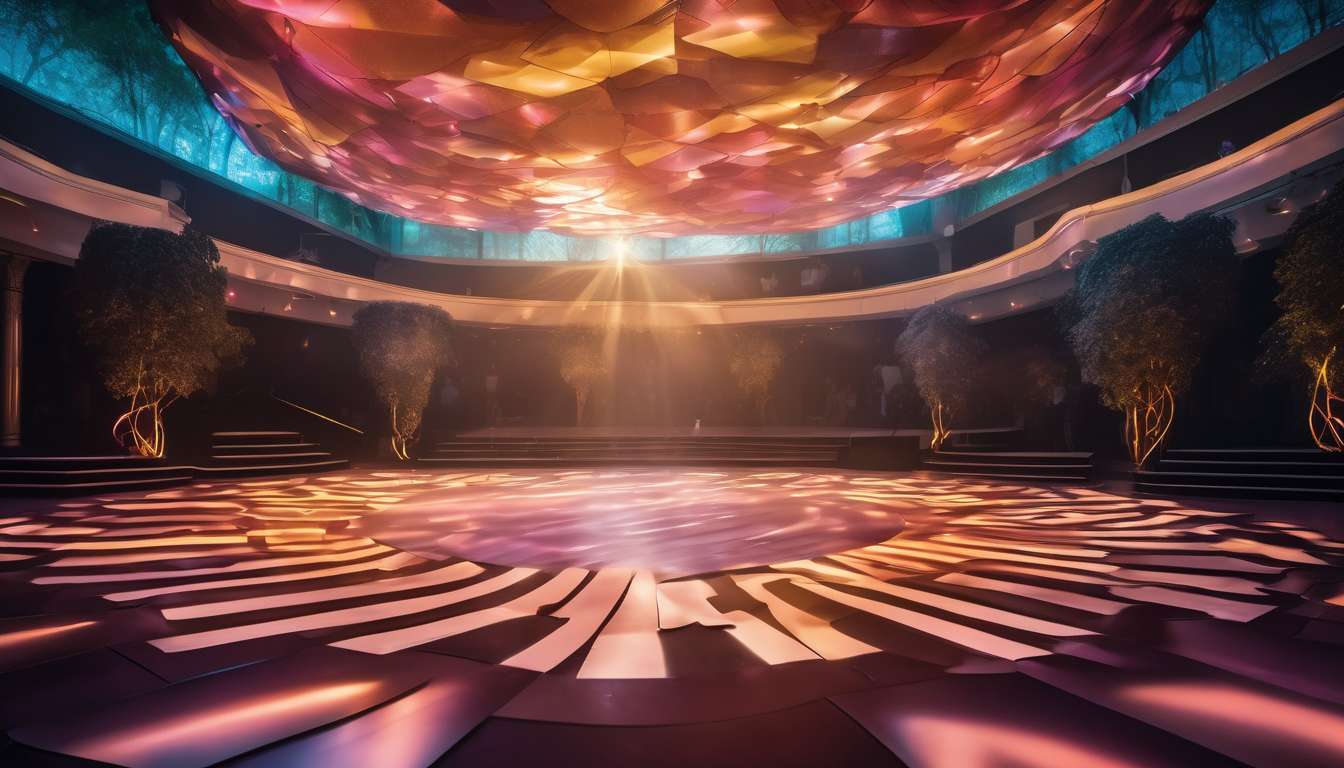
Our assumption that dance venues must be hushed, dimly lit auditoriums is overdue for retirement.
We have spent decades curating programs, seating charts, and marketing that reinforce a singular model of the live dance experience — formal, distant, and performance-focused. Recent audience research compels us to rethink everything.
Patrons now crave interactivity, community spaces, flexible seating, and varied ticketing that acknowledge diverse needs and budgets.
Preferences also point to hybrid events, accessible facilities, and programming that reflects local identities rather than a one-size-fits-all repertoire.
We confront tensions between preserving artistic integrity and embracing commercial viability, between tradition and experimentation. We must ask how venues can pivot without alienating core supporters, and how designers, programmers, and funders can collaborate to reimagine physical and social infrastructures.
This article examines the data driving these shifts and offers practical pathways to transform our venues into vibrant, inclusive hubs that meet changing expectations.
Changing Audience Profiles
Audience profiles are shifting as younger, more diverse, and digitally connected attendees begin shaping how dance venues program and market events.
We’re noticing peers who want to belong, and we’re adapting by prioritizing audience engagement that invites participation without pressure.
We design flexible, inclusive spaces that let people gather informally, move closer or step back, and feel included whether they come alone or with friends.
We offer hybrid performance options so those who can’t attend in person still feel part of the community through:
- live streams
- chat
- curated social content
We keep communications straightforward and welcoming by using inclusive language and accessible pricing to remove barriers.
We track feedback and behavior to refine outreach, but we share updates in human terms that make people feel seen.
We avoid a one-size-fits-all approach by creating multiple entry points for connection so everyone can choose how to experience dance while knowing they belong to a supportive, evolving audience.
Demand for Interactivity
More and more people want to be part of the action, so we’re designing shows and spaces that let them interact, respond, and shape the experience in real time.
Audience engagement now means more than watching — it’s about contributing, choosing narrative paths, and feeling seen.
We prioritize warmth and inclusion so everyone feels invited to take small or bold roles in the moment.
We’re blending live and digital to expand participation:
Hybrid performance formats let remote and in-person attendees co-create together.
Participants can vote on outcomes or send prompts that subtly shift choreography.
That sense of shared authorship builds community and trust.
We’re rethinking sightlines, access, and staff training so people of different abilities and comfort levels can participate at their pace.
Our programming offers layered entry points:
- Observation — for those who prefer to watch.
- Guided interaction — for those who want gentle prompts or facilitation.
- Active collaboration — for those ready to co-create in the moment.
These layers help people belong without pressure.
By centering clear cues, consent, and shared language, we turn interactivity into a welcoming bridge between performers and audiences.
Flexible Seating Models
We’re experimenting with seating that can be reconfigured quickly so people can choose between intimate clusters, open floor space, or accessible seating without reshuffling the whole venue.
We want everyone to feel welcome and found. We design flexible seating layouts that invite people to sit together, step into the performance, or observe from a comfortable distance.
We’re intentional about sightlines and circulation. This includes integrating wheelchair spaces, companion seats, and low-sensory zones rather than treating them as afterthoughts.
By offering adaptable arrangements, we increase audience engagement:
- Groups can gather for post-show conversation.
- Solo visitors can claim quiet corners.
- Families can spread out without feeling excluded.
These layouts also support hybrid performance formats. In-person and streamed attendees can share moments without compromising spatial comfort.
We gather feedback after each event and tweak configurations based on real needs, not assumptions.
Our goal is simple: to create physical settings that reflect our community’s desire to belong, participate, and return.
Pricing and Ticketing Trends
We’re testing pricing and ticketing approaches that balance accessibility, revenue stability, and simplicity.
Goals:
- Make events affordable so more people can attend.
- Cover production costs and sustain artists.
- Keep systems simple to reduce barriers.
Approach:
- We’re offering tiered pricing, pay-what-you-can nights, and subscription bundles that reward regular attendance and build community.
- We monitor audience engagement data to see which options actually bring people back and which create barriers.
Checkout and seating:
- We’re simplifying checkout and reducing fees.
- We let groups choose flexible seating or general admission to match comfort and budget.
Hybrid events pricing:
- For hybrid performances, we price livestream access lower than in-person seats while preserving value for those who join live.
Transparency and discounts:
- We’re transparent about where ticket dollars go.
- We give modest discounts to neighbors and early-bookers to nurture belonging.
Ongoing testing:
- We’ll keep testing dynamic windows for discounts.
- We’ll keep testing family packages so different households can participate without surprise costs.
Outcome we aim for:
- Fair, predictable pricing that sustains artists, invites diverse participation, and strengthens the social ties that make the venue feel like home.
Accessibility and Inclusion
We remove physical, sensory, financial, and cultural barriers so everyone can participate confidently and comfortably.
We design spaces and policies that center welcome.
- Clear signage
- Ramps
- Quiet rooms
- Captioning
We commit to reducing cost as an exclusionary gate.
- Sliding-scale tickets
- Pay-what-you-can nights
- Community partnerships
We create flexible seating and sightlines so groups, caregivers, and mobility aids fit without strain.
We train front-line staff in inclusive communication and trauma-informed approaches, making entry and seating calm and predictable.
We invite feedback loops and co-design sessions with disability and community groups to ensure changes are meaningful, not performative.
We explore hybrid performance models thoughtfully, offering synchronous and asynchronous options that complement accessible in-person experiences rather than replace them.
By centering dignity, practical supports, and collaborative planning, we build venues where belonging isn’t optional — it’s fundamental to every show, talkback, and gathering.
Hybrid and Digital Formats
We’ll blend live and digital elements so people can choose how, when, and where they experience our shows without diluting the communal energy of the room.
We’ll design hybrid performance models that center connection.
- Live attendees share space with online viewers through synchronized cues.
- Use intimate camera angles to bring remote guests into the moment.
- Moderate chat to facilitate real-time interaction between on-site and online audiences.
We’ll prioritize audience engagement by creating entry points for varied comfort levels.
- Offer experiences ranging from front-row immersion to sofa-view participation.
- Keep transitions smooth and meaningful so guests can move between modes without losing continuity.
We’ll offer flexible seating and clear signaling for interaction.
- Flexible seating configurations let groups cluster or spread out.
- Signal which segments are ideal for on-site interaction versus streamed focus.
We’ll ensure virtual options are equal, not second-rate.
- Invest in production values that honor both in-room and remote presences.
- Avoid forcing virtual alternatives into secondary roles.
We’ll measure, learn, and iterate to make everyone feel invited and seen.
- Collect feedback after each event.
- Use metrics to refine timing and technology.
- Calibrate offerings so participants feel belonging whether they’re in the room or joining from afar.
Community-Centered Programming
Community-centered programming and co-creation
We’ll build programming around local needs and relationships, partnering with community members to co-create events that reflect their stories, schedules, and access needs.
We’ll invite neighbors, artists, and organizers into planning tables so programming feels like ours, not something delivered from above.
We’ll prioritize consistent communication, clear signposting, and participant input, with mechanisms for people to shape offerings — from class topics to ticketing tiers — so belonging grows from participation.
Flexible, inclusive spaces and economic access
We’ll design spaces with flexible seating and circulation so gatherings can welcome families, elders, and people with mobility devices without forcing anyone into fixed roles.
We’ll reduce economic barriers and foster reciprocal investment by offering:
- sliding-scale admissions
- volunteer or skills-exchange swaps
Program design and evaluation
We’ll program regular community nights that combine local choreographers and neighborhood rituals to reflect local culture and encourage participation.
We’ll evaluate impact through shared metrics and listening sessions, using community-defined indicators to guide adjustments.
Hybrid and accessible participation
We’ll integrate hybrid performance options for those who can’t attend in person, ensuring remote participants can interact meaningfully.
By centering care, choice, and accessibility, we’ll make the venue a trusted communal resource.
Balancing Art and Commerce
We’ll strike a sustainable balance between artistic risk and financial viability so our programming can both challenge audiences and keep the doors open.
We’ll be honest about budgets while inviting the community into decisions, so everyone feels they belong to something vibrant.
We’ll pair adventurous commissions with familiar repertory nights, using tiered pricing and membership models that let people choose commitment levels.
We’ll design spaces for inclusion, offering flexible seating that accommodates different bodies, group needs, and social comfort.
We’ll communicate those options clearly so patrons know they’re welcome.
We’ll expand reach with hybrid performance options:
- Streaming select shows.
- Hosting interactive digital salons to deepen ties for those who can’t attend in person.
We’ll prioritize audience engagement through:
- Post-show talks.
- Pay-what-you-can previews.
- Volunteer roles that build ownership.
We’ll measure impact with clear metrics—attendance, diversity, repeat visits—and adjust quickly.
By blending creative ambition with practical planning, we’ll sustain bold work and a community that feels seen, safe, and invested.
How do dancers and performers feel about these changing venue expectations and are their working conditions being affected?
Concern and cautious optimism about shifting venue expectations.
Performers want inclusion, safety, and creative freedom as venues evolve to meet changing audience needs and cultural priorities.
Workloads are changing as venues demand more flexible schedules and broader skill sets.
- Venues increasingly expect multimedia skills, community engagement, and availability for nontraditional hours.
- These added demands can strain pay and reduce rehearsal time, affecting quality of work and well-being.
Advocacy priorities to protect performers’ dignity and sustainability.
- Fair compensation: ensure pay reflects additional skills and time.
- Clearer contracts: specify expectations, schedules, and scope of work.
- Supportive spaces: create environments that prioritize safety, accessibility, and creative risk-taking.
Goal: preserve dignity while adapting to new audience needs and roles.
By aligning compensation, contractual clarity, and supportive infrastructure, venues and performers can thrive together in a changing landscape.
What are the environmental and sustainability implications of new venue technologies and flexible seating designs?
We’re considering the environmental and sustainability implications of new venue technologies and flexible seating designs.
Benefits include:
- Energy-efficient lighting that cuts operational energy use.
- Modular reuse allowing components to be reconfigured and repurposed.
- Reduced waste from adaptable seating that extends product life and minimizes single-use disposal.
Risks and concerns include:
- Embedded electronics that can be difficult to repair or recycle.
- Increased material turnover if rapid design cycles promote premature replacement.
- Heavier transportation footprints from complex or bulky modular systems.
Preferred strategies and design principles:
- Favor durable, recyclable components to extend lifespan and simplify end-of-life processing.
- Prioritize renewable energy (on-site generation and clean energy procurement) to lower operational carbon.
- Use local sourcing to reduce transportation emissions and support regional supply chains.
- Design maintenance plans that enable repairability, accessibility, and long-term function.
Overall goal:
Create inclusive, low-impact, and resilient spaces by balancing technological benefits with careful material choices, lifecycle planning, and community-centered procurement.
How do these audience-driven changes impact the long-term financial stability of small, independent dance companies?
Short answer: Audience-driven changes present both risks and opportunities for long-term financial stability. With careful planning — balancing investment, diversified revenue, and community-focused strategies — small independent dance companies can grow sustainably while protecting their creative communities.
Risks (upfront and ongoing):
-
Higher capital and operating costs.
- Upfront investment in adaptable venues, modular set/rigging, and new technologies (AV, ticketing, streaming).
- Increased ongoing maintenance, staffing, and training costs to run hybrid or tech-enabled programming.
-
Pricing pressure and accessibility trade-offs.
- Higher costs may tempt price increases that could reduce attendance or exclude community members.
- Need to balance earned revenue goals with mission-driven accessibility.
-
Resource strain and mission drift.
- Pursuing diverse income streams or commercial partnerships can stretch limited administrative capacity.
- Risk of shifting artistic choices to chase revenue rather than serve the company’s core vision.
Opportunities (revenue and resilience):
-
Diversified earned income.
- New ticketing models, pay-what-you-can nights, memberships, subscriptions, and packaged programming.
- Revenue from digital performances, workshops, venue rentals, and co-productions.
-
Stronger local support and partnerships.
- Community partnerships (schools, community centers, local businesses) that provide in-kind resources, audience pipelines, and joint funding opportunities.
- Cultivating loyal local members and donors who provide predictable, repeat support.
-
Access to new funding and cost-sharing.
- Grants and sponsorships aligned with community engagement, equity, and digital innovation.
- Collaborations that share production costs and broaden audiences.
Practical strategies to balance investment with accessibility and sustainability:
-
Create a phased investment plan.
- Prioritize projects with the quickest return or largest audience impact.
- Pilot small-scale tech upgrades or venue modifications before major capital outlays.
-
Diversify revenue deliberately.
- Mix earned income (tickets, rentals, digital sales) with contributed income (memberships, grants, sponsorships).
- Develop membership tiers and recurring-donation campaigns to stabilize cash flow.
-
Adopt flexible pricing and access models.
- Offer sliding scale, pay-what-you-can, community-access performances, and premium experiences for higher prices.
- Use data from pilots to refine pricing so accessibility and sustainability coexist.
-
Build capacity through partnerships.
- Co-produce with other companies to share costs and audiences.
- Partner with civic institutions for subsidized space or shared marketing.
-
Invest in audience development and retention.
- Prioritize community engagement, education programs, and member benefits to cultivate loyalty.
- Track lifetime value of patrons to justify upfront acquisition costs.
-
Pursue targeted funding and in-kind support.
- Apply for grants that fund infrastructure, equity work, or digital innovation rather than relying only on general operating funds.
- Seek in-kind donations (tech, space, professional services) to lower capital demands.
-
Monitor metrics and adjust.
- Track attendance, ticket revenue by program type, membership retention, and cost per seat.
- Use metrics to stop, scale, or tweak initiatives before they become unsustainable.
Bottom line: Audience-driven shifts require upfront investment and bring ongoing costs, but they also open multiple revenue pathways and deeper community ties. By phasing investments, diversifying income, leveraging partnerships and grants, and intentionally designing accessible pricing, small independent dance companies can strengthen long-term financial stability without sacrificing artistic integrity.
Conclusion
You’re seeing audiences shift: younger, more diverse, and eager for participation.
They want flexible seating, fair pricing, accessible spaces, and hybrid options that fit busy lives.
Venues that center community voices, balance artistic risk with financial realities, and experiment with interactivity will stay relevant.
By listening and adapting—without sacrificing artistic integrity—you’ll build loyalty, expand reach, and ensure dance remains vibrant, inclusive, and economically sustainable for the long term.