
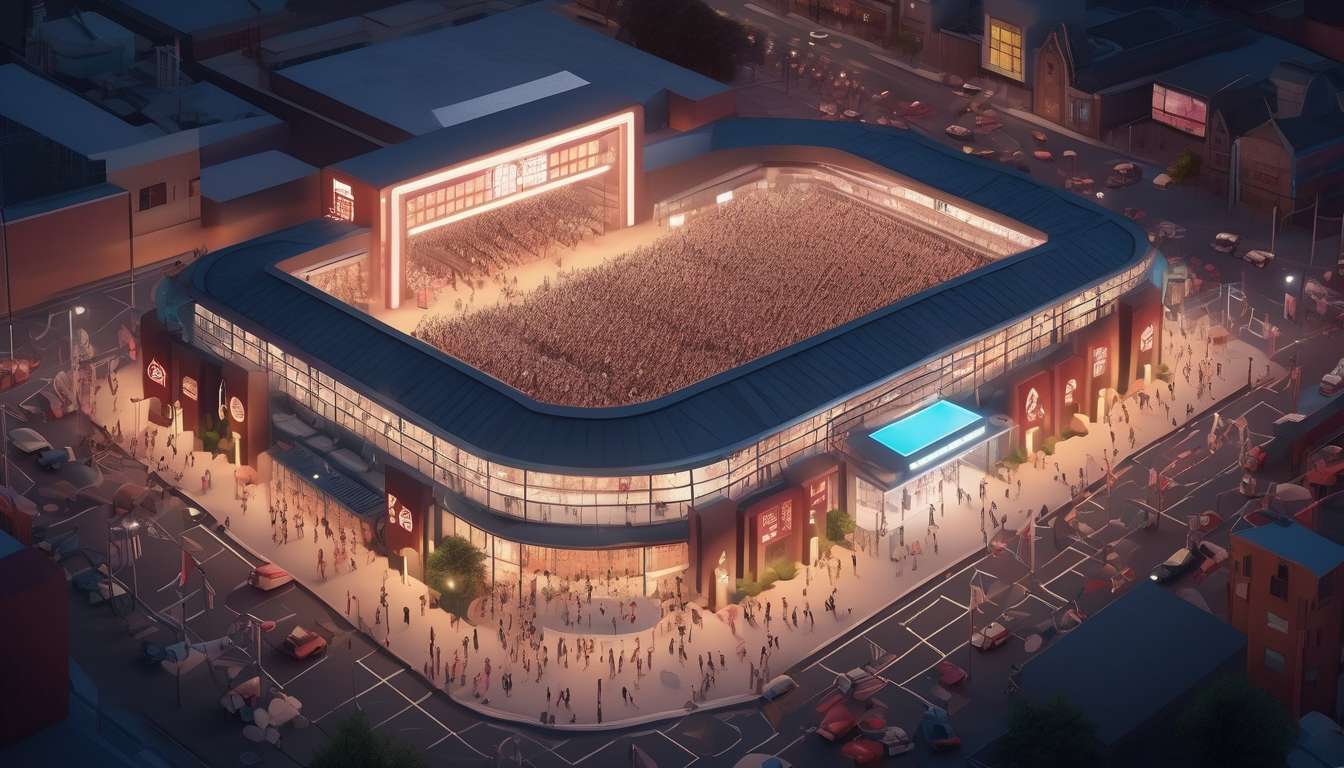
Groundbreaking research shows that properly enforced venue safety policies can reduce incident rates at live dance events by up to 72%.
We know the energy of a packed dance floor—the beat, the lights, the collective release—but we also know how quickly that energy can become dangerous without clear protocols.
As operators, promoters, and venue staff, we share responsibility for creating spaces where artists and audiences can thrive safely.
This guide distills best practices into actionable policies:
- Crowd management
- Emergency planning
- Staff training
- Accessibility
- Responsible alcohol service
We’ll walk through practical checklists, case studies, and implementation strategies tailored to venues of different sizes and resources.
Our aim is not merely compliance; it’s fostering a culture of proactive safety that enhances the attendee experience while protecting lives and livelihoods.
Together, we can balance spectacle with stewardship, ensuring that every live dance event is as responsible as it is exhilarating.
Crowd Management Principles
We prioritize clear entry, exit, and flow patterns to prevent bottlenecks and ensure rapid response when situations arise.
We design crowd management so everyone feels welcome and safe.
- Layout queuing, signage, and staff roles that guide movement without friction.
- Emphasize predictable routing to reduce confusion and crowding.
- Keep sightlines and wayfinding clear so attendees can self-navigate when possible.
We train teams to read crowd dynamics and intervene early.
- Train staff to identify density, movement trends, and signs of agitation.
- Intervene early to redirect flows and calm tensions before they escalate.
- Foster a culture where competent, calm intervention reinforces belonging.
We balance capacity limits with inclusive access.
- Ensure accessibility routes remain unobstructed and are staffed for assistance.
- Adjust capacity and circulation plans to accommodate mobility devices and diverse needs.
- Coordinate physical layouts to minimize travel distances to accessible services.
We coordinate with medical and security partners while keeping roles clear.
- Align on notification paths and roles for emergency response without prescribing full plans here.
- Define who escalates incidents, who provides first aid, and who manages scene safety.
- Maintain single-point communication channels to avoid confusion during incidents.
We review drills and after-action feedback with staff and community representatives.
- Conduct regular drills that include accessibility scenarios and cultural considerations.
- Solicit feedback from staff and community reps to adapt procedures to cultural needs and mobility requirements.
- Iterate plans based on lessons learned and evolving attendee profiles.
We communicate expectations clearly to attendees.
- Share arrival times, entry protocols, and available accessible services in advance.
- Use multiple channels (signage, email, social media, on-site staff) to reinforce key instructions.
- Provide clear, concise information so attendees can plan and move confidently.
Our crowd management principles center on dignity, predictability, and shared responsibility.
- Prioritize measures that preserve attendee dignity and autonomy.
- Design predictable systems that reduce anxiety and improve flow.
- Encourage shared responsibility among attendees, staff, and partners to keep live dance events vibrant and secure.
Emergency Response Planning
Clear, practiced plans and roles.
We establish clear, practiced plans and roles so staff, partners, and attendees can act quickly and confidently during a crisis.
- We map exits and designate assembly points.
- We create simple, repeatable emergency response checklists that everyone can learn.
Coordinated response across risks.
Our plans connect crowd management procedures with medical, fire, and severe-weather responses so movement and communication stay coordinated and calm.
Inclusive, multi-channel communication.
We build inclusive communication channels—visual signals, text alerts, and plain-language announcements—so the whole community feels informed and protected.
Accessible evacuation and alternatives.
We review evacuation routes for accessibility, ensuring alternatives for mobility, sensory, or cognitive needs are integrated and rehearsed.
Regular drills and after-action review.
We run regular tabletop drills with partner agencies and evaluate real-world incidents to improve protocols.
Feedback-driven improvement and trust-building.
After an event, we gather feedback from attendees and partners to adjust plans, strengthen trust, and reaffirm shared responsibility.
Practical, inclusive, tested procedures.
By keeping procedures practical, inclusive, and tested, we create a safer space where everyone belongs and can rely on predictable, effective action when it matters most.
Staff Roles & Training
We define clear staff roles and give everyone focused, hands‑on training so each person knows exactly what to do, who to contact, and how to keep attendees safe.
We assign lead roles—floor supervisor, medic, security liaison, and accessibility steward—so responsibilities don’t overlap and accountability stays visible.
We train in practical crowd management techniques, de‑escalation, and movement coordination so staff act confidently under pressure.
We practice emergency response drills together, using real scenarios and after‑action reviews that welcome feedback and improvement.
We cross‑train so teams can back one another up and we maintain clear communication channels for rapid information sharing.
We prioritize accessibility by training staff to assist patrons with mobility, sensory, or communication needs, and by ensuring team members know referral procedures to specialists when required.
We build a culture of mutual support:
- Staff check in and share observations.
- Staff feel empowered to pause operations if safety concerns arise.
- Team members provide peer support and constructive feedback.
This approach keeps our venue safe, inclusive, and cohesive for everyone who belongs here.
Entry and Exit Controls
We control entry and exit points with staffed checkpoints, clear signage, and flow plans so people can enter and leave quickly, safely, and without bottlenecks.
We assign trained teams to monitor doors, verify tickets, and guide attendees, creating a welcoming atmosphere where everyone feels included.
Our crowd management strategy staggers entry times and opens multiple lanes to reduce wait times and stress.
We brief staff on de-escalation and interpersonal skills so patrons feel respected.
We ensure exits remain unobstructed, mapped, and illuminated, and we rehearse routes during drills to align entry/exit flows with emergency response procedures.
We prioritize accessibility by providing:
- Ramps
- Wide gates
- Tactile wayfinding
- Dedicated lines for guests with mobility needs
We communicate accessibility options clearly before and during events.
We collect real-time feedback and adjust staffing or signage as needed, because maintaining smooth, equitable access is essential to safety and to the sense of belonging we cultivate at every event.
Alcohol Service Policies
We set clear alcohol service rules and train staff to enforce them consistently.
- Limit servings: Restrict number/size of drinks per person to reduce overconsumption.
- Validate ID: Require valid identification for age verification at every point of sale.
- Refuse service to intoxicated patrons: Staff are trained to decline service when someone is visibly intoxicated and to explain the decision respectfully.
We train staff in de-escalation and visible communication so everyone feels welcome and understands boundaries.
- De-escalation techniques: Staff practice calm, nonconfrontational approaches to reduce tension.
- Visible communication: Teams use clear signals and behaviors so patrons recognize staff authority and know where to go for help.
We integrate alcohol policies into crowd-management and emergency plans.
- Staff monitor the crowd proactively to spot and address issues early without singling anyone out.
- Sober monitors and designated-driver incentives are maintained to support safe choices.
- Nonalcoholic options are prominently available to accommodate diverse preferences.
We link overconsumption or injury incidents directly to emergency-response procedures.
- Secure the area: Trained staff create a safe space while keeping bystanders clear.
- Summon medical help: Emergency services are contacted promptly when needed.
- Document and follow up: Incidents are recorded for review and any necessary follow-up actions.
We make policies visible and solicit attendee feedback.
- Advance sharing: Policy information is posted and communicated before events.
- Feedback loops: Attendee input is collected so people feel heard and policy improvements can be made.
By balancing firmness with care, we protect health and enjoyment, foster belonging, and uphold responsible-service standards that make the venue safer for everyone.
Accessibility and Inclusion
We ensure our venue is welcoming to everyone by removing barriers, providing clear accommodations, and actively seeking input from attendees with diverse needs.
We prioritize accessibility in venue layout and physical access.
- Floor plans, seating, restroom access, and entry points are designed so everyone can participate with dignity.
- Accessibility is considered in crowd flow and movement to avoid isolating anyone.
We train and equip staff and volunteers to provide inclusive service.
- Training topics include inclusive customer service, disability awareness, and respectful assistance.
- Trained personnel are designated to support mobility or sensory needs during peak times.
We partner with community groups to refine practices and document policies.
- Local advocacy groups help evaluate and improve accessibility measures.
- Accessibility choices (service animal policy, quiet spaces, accessible ticketing, seating options) are documented in policy for consistent application.
We integrate accessibility into crowd management and emergency planning.
- Crowd management strategies accommodate movement and prevent isolation.
- Emergency response plans include inclusive procedures for evacuation routes, alarms, and staff guidance that account for mobility, sensory, and cognitive differences.
We welcome feedback and measure outcomes to continually improve.
- Attendee feedback and lived experience inform adjustments.
- Outcomes are measured so the venue becomes increasingly accessibility- and belonging-centered with every event.
Communication and Signage
We provide clear, consistent signage and timely communications so attendees can find services, understand rules, and respond quickly during routine and urgent situations.
We use bold, readable signs, well-placed maps, and digital screens to guide patrons to:
- restrooms
- exits
- medical stations
- accessible routes
Our messaging reinforces community norms such as:
- respectful behavior
- queuing etiquette
- designated dance areas
so everyone feels included and safe.
We coordinate announcements and visual cues with crowd management plans so staff can direct flows and de-escalate congestion without singling anyone out.
During an emergency response, pre-scripted messages and illuminated wayfinding reduce confusion and help people move calmly to safe zones.
We ensure all communications meet accessibility standards, including:
- high-contrast text and large fonts
- pictograms and captioned video
- clear audio with assistive listening
We train staff to use plain language and multiple channels—PA, text alerts, signage, and staff guidance—so every attendee can participate confidently and belong at the event.
Incident Reporting Systems
We provide clear, confidential, and easy-to-use incident reporting systems so staff and attendees can quickly report safety concerns, medical needs, or policy violations.
We make reporting accessible through multiple channels — mobile app forms, text lines, staffed kiosks, and discreet in-person options — so everyone feels included and heard.
We train team members to triage and escalate reports.
- Team members are trained to assess reports for crowd-management implications.
- They escalate incidents that require immediate emergency response.
We record incidents with structured details (timestamps, locations, and actions taken), maintaining confidentiality while enabling trend analysis that improves safety and belonging.
We review reports regularly with cross-disciplinary advisors.
- Regular reviews include security, medical, and accessibility advisors.
- The goal is to remove barriers and refine protocols.
We follow up with reporters and protect whistleblowers.
- When appropriate, we offer resources and reassurance to reporters.
- We have protections in place to prevent retaliation against whistleblowers.
We integrate reporting data into post-event debriefs to strengthen staffing, signage, and emergency response plans.
By keeping systems simple, transparent, and responsive, we cultivate trust and shared responsibility for a safer, more welcoming dance environment.
What insurance coverages should a venue carry specifically for live dance events and how do liability limits affect ticket pricing?
We’re asking what insurance a venue needs for live dance events and how liability limits shape ticket prices.
Recommended coverages:
- General liability
- Liquor liability
- Event cancellation
- Participant liability
- Property and equipment coverage
How liability limits affect costs and ticket pricing
- Higher liability limits increase venue insurance costs.
- Venues may pass part of these higher costs into ticket prices to ensure adequate protection for attendees, performers, and staff.
- We aim to balance adequate protection with accessible pricing so events remain affordable while minimizing financial risk.
Communication and transparency
- We will communicate pricing decisions and coverage rationale clearly so everyone understands why ticket prices may reflect insurance needs.
- Transparent policies help patrons feel included and secure.
How should a venue manage partnerships with third-party promoters or production companies to ensure safety responsibilities are clearly allocated?
We will set clear contracts that spell out each party’s safety duties, insurance requirements, and incident reporting.
We will require shared risk assessments, joint emergency plans, and proof of vendor certifications.
We will hold regular coordination meetings, walk-throughs, and post-event reviews so everyone’s accountable.
We will include indemnification clauses and minimum liability limits.
We will build trust by keeping communication transparent, supportive, and focused on protecting our guests and staff.
What are best practices for handling guest data privacy (e.g., ticket buyer information, CCTV footage) collected during events while complying with data protection laws?
Minimize collection. Collect only the personal data strictly necessary for the purpose (e.g., ticketing, safety). Avoid asking for or storing extra fields.
Retention limits. Keep data only as long as needed for the stated purpose, and define retention periods for each data type (ticket purchases, CCTV, etc.). Securely delete or anonymize data after that period.
Encrypt in transit and at rest. Use strong encryption for storage and when sending data between systems or to third parties.
Obtain explicit consent. Get clear, documented consent for data uses that require it (e.g., marketing, CCTV where notice/consent is needed). Allow easy withdrawal of consent.
Publish a plain-language privacy notice. Provide a concise, accessible notice explaining what is collected, why, how long it is kept, who it is shared with, and how individuals can exercise their rights.
Limit access on a need-to-know basis. Use role-based access controls and logging so only authorized personnel can view or process personal data.
Regular audits and monitoring. Conduct periodic privacy and security audits, review access logs, and assess third-party processors for compliance.
Staff training. Provide ongoing training for employees on data protection practices, incident reporting, and handling of sensitive data like CCTV and payment information.
Breach response plan. Maintain and test an incident response plan that includes containment, assessment, notification to regulators and affected individuals when required, and remediation steps.
Respect and transparency. Make privacy practices visible and easy to understand so guests feel respected and protected, and provide clear contact information for privacy inquiries or complaints.
Conclusion
You’ve now got the essentials to run safer live dance events: manage crowds smartly, plan emergencies, and train staff clearly.
Control entry and exits to prevent overcrowding and ensure safe flow.
Serve alcohol responsibly to reduce incidents related to intoxication.
Make spaces accessible so patrons with disabilities can attend safely and comfortably.
Post clear signage to direct attendees to exits, facilities, and rules.
Keep communication lines open among staff, security, and emergency services.
Use incident reporting to learn and improve — collect, review, and act on reports after each event.
By applying these policies consistently, you’ll protect patrons and performers, reduce risks, and build a reputation for responsible, enjoyable dance events.